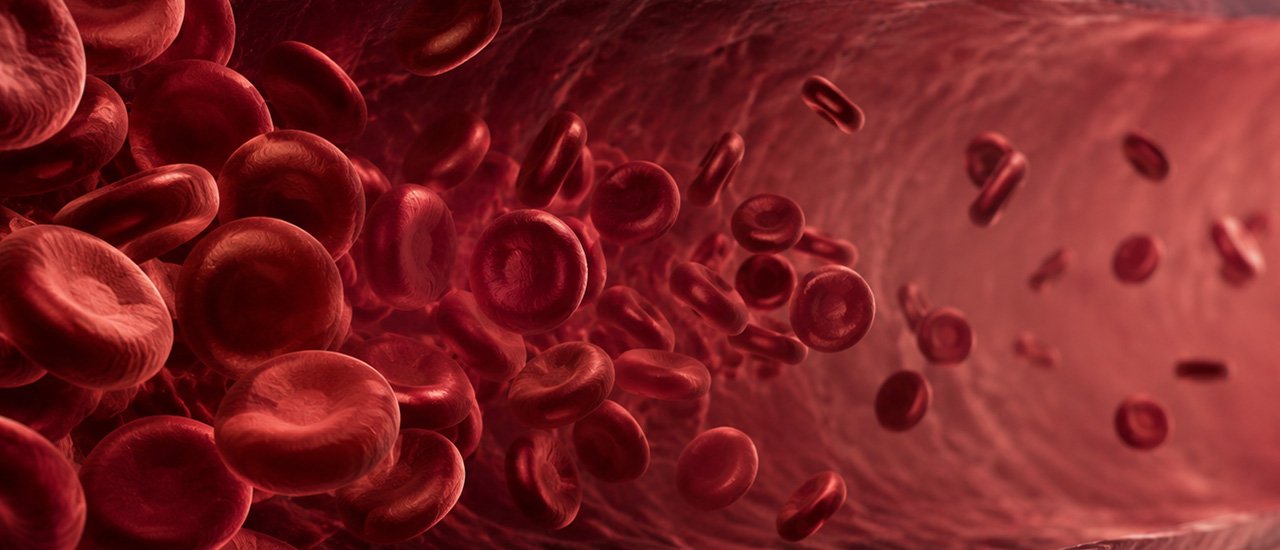
Iron is an essential mineral that your body needs to produce haemoglobin, a protein in red blood cells that carries oxygen throughout the body. When your body does not have enough iron, you may develop iron deficiency, which can affect your energy levels, concentration and overall wellbeing.
For some people, dietary changes and iron tablets may be enough to restore iron levels. However, when oral iron is not suitable, is not working effectively or iron levels need to be replenished more quickly, a doctor may consider an iron infusion.
At Doctors Care Clinic Boronia, we provide medical assessment and advice for patients experiencing iron deficiency and can discuss whether an iron infusion may be appropriate based on your individual circumstances.
What Is Iron Deficiency?
Iron deficiency occurs when the body’s iron stores become too low.
Iron is required to produce haemoglobin, which allows red blood cells to transport oxygen around the body. If iron levels remain low, it can eventually lead to iron deficiency anaemia.
Iron deficiency can occur for a number of reasons, including:
- Insufficient dietary iron
- Heavy menstrual bleeding
- Pregnancy
- Blood loss
- Reduced absorption of iron
- Certain gastrointestinal conditions
- Increased iron requirements
- Some chronic health conditions
Identifying the reason for iron deficiency is important. Simply replacing iron without investigating why your levels are low may not address the underlying problem.
What Are the Symptoms of Iron Deficiency?
Some people with low iron may have no obvious symptoms, particularly during the early stages.
As iron deficiency becomes more significant, symptoms may include:
- Tiredness and low energy
- Weakness
- Difficulty concentrating
- Headaches
- Dizziness
- Shortness of breath, particularly with activity
- Feeling your heart beating faster than usual
- Pale skin
- Reduced exercise tolerance
- Cold hands and feet
These symptoms can have many possible causes, so they should not automatically be attributed to iron deficiency.
A GP can assess your symptoms and determine whether blood tests or other investigations are appropriate.
How Is Iron Deficiency Diagnosed?
Your doctor may recommend pathology testing to assess your iron status.
Blood tests can provide information about haemoglobin, ferritin and other markers that help assess iron levels and whether anaemia may be present.
Your doctor may also ask about your:
- Diet
- Menstrual history
- Pregnancy status
- Medical history
- Medications
- Gastrointestinal symptoms
- Previous blood tests
- History of blood loss
The results can help your doctor determine the likely cause and appropriate treatment.
What Is an Iron Infusion?
An iron infusion is a method of delivering iron directly into a vein through an intravenous (IV) line.
Unlike oral iron tablets, which need to pass through the digestive system, intravenous iron allows iron to be delivered directly into the bloodstream.
Iron infusions may be considered for people who:
- Cannot tolerate oral iron
- Have not responded adequately to oral iron
- Have difficulty absorbing oral iron
- Require iron replacement for a particular medical reason
- Need treatment based on their doctor’s assessment
An iron infusion is not automatically the best option for everyone with low iron. Your doctor will consider your blood results, symptoms, medical history and previous treatment before recommending it.
What Happens During an Iron Infusion?
Before an infusion, your healthcare professional will review your medical history and discuss the treatment with you.
A small IV line is inserted into a vein, usually in your arm. The prescribed iron preparation is then administered through the IV.
The duration of treatment can vary depending on the specific iron product and dose.
During and after the infusion, you may be monitored for any potential reaction.
Your healthcare professional will explain what to expect and what symptoms you should report.
Are Iron Infusions Safe?
Iron infusions are commonly used to treat iron deficiency when clinically appropriate. However, like any medical treatment, they can have potential side effects and risks.
Some people may experience temporary symptoms such as:
- Headache
- Nausea
- Dizziness
- Changes in taste
- Muscle or joint discomfort
- Injection-site reactions
Rarely, more serious reactions can occur.
For this reason, iron infusions should only be administered in an appropriate medical setting by trained healthcare professionals.
Before treatment, tell your doctor about any previous reactions to intravenous iron or other medications, as well as your current medical conditions and medications.
Iron Infusions During Pregnancy
Iron requirements increase during pregnancy, and iron deficiency is relatively common.
Some pregnant women may be advised to take oral iron, while an iron infusion may be considered in particular circumstances.
If you are pregnant and have been diagnosed with iron deficiency or anaemia, your doctor can discuss the treatment options that may be appropriate for you.
Treatment decisions should be based on your individual blood results, pregnancy stage, symptoms and medical history.
Iron Infusions and Heavy Periods
Heavy menstrual bleeding is a common cause of iron deficiency in women.
If you regularly experience heavy periods, replacing iron without addressing the cause of the blood loss may only provide a temporary solution.
Your GP can discuss your menstrual symptoms and investigate potential causes where appropriate. Managing the underlying cause of heavy bleeding can be an important part of preventing recurring iron deficiency.
How Long Does It Take to Feel Better?
The response to iron treatment varies from person to person.
Some people may notice improvements in energy and other symptoms after treatment, while for others it may take longer.
Your doctor may recommend follow-up blood tests to assess whether your iron stores and haemoglobin levels have improved.
It is important to attend recommended follow-up appointments and continue investigating the underlying cause of iron deficiency if necessary.
Iron-Rich Foods
Diet can play an important role in maintaining adequate iron intake.
Iron-containing foods include:
- Lean red meat
- Poultry
- Fish and seafood
- Eggs
- Legumes
- Tofu
- Green leafy vegetables
- Iron-fortified cereals
- Nuts and seeds
The amount of iron absorbed by the body can vary depending on the food source and what it is eaten with.
If you have diagnosed iron deficiency, dietary changes alone may not always be enough to restore iron levels. Your doctor can advise whether dietary changes, oral supplements, an iron infusion or another treatment approach is appropriate.
When Should You Speak With a Doctor?
If you have ongoing tiredness, weakness, dizziness, shortness of breath or other unexplained symptoms, it is important not to assume that low iron is the cause.
A medical assessment can help identify possible causes and determine whether blood testing is required.
You should also speak with your doctor if you have previously been diagnosed with iron deficiency and your symptoms have returned or your iron levels remain low despite treatment.
Iron Infusion in Boronia
If you have been diagnosed with iron deficiency and are considering an iron infusion in Boronia, Doctors Care Clinic Boronia can assess your individual circumstances and discuss appropriate treatment options.
Our doctors can review your symptoms and pathology results, investigate potential causes of iron deficiency and determine whether an iron infusion may be suitable for you.
Iron deficiency can affect your energy, concentration and quality of life, but appropriate assessment and treatment can help restore healthy iron levels.
Concerned about low iron or wondering whether an iron infusion may be right for you? Contact Doctors Care Clinic Boronia to book an appointment and discuss your options with a GP.